Caterpillar 3P6318 Flange - High-Quality Replacement Part
Product Overview
The 3P6318 Flange is a critical connecting component designed for various Caterpillar heavy machinery models. Manufactured to meet stringent quality standards, this flange ensures a secure and leak-free connection within various systems of your equipment, vital for maintaining operational efficiency and safety in demanding work environments.
This high-quality aftermarket part provides a reliable replacement for worn or damaged original flanges, helping to restore your machine's performance without compromising on durability.
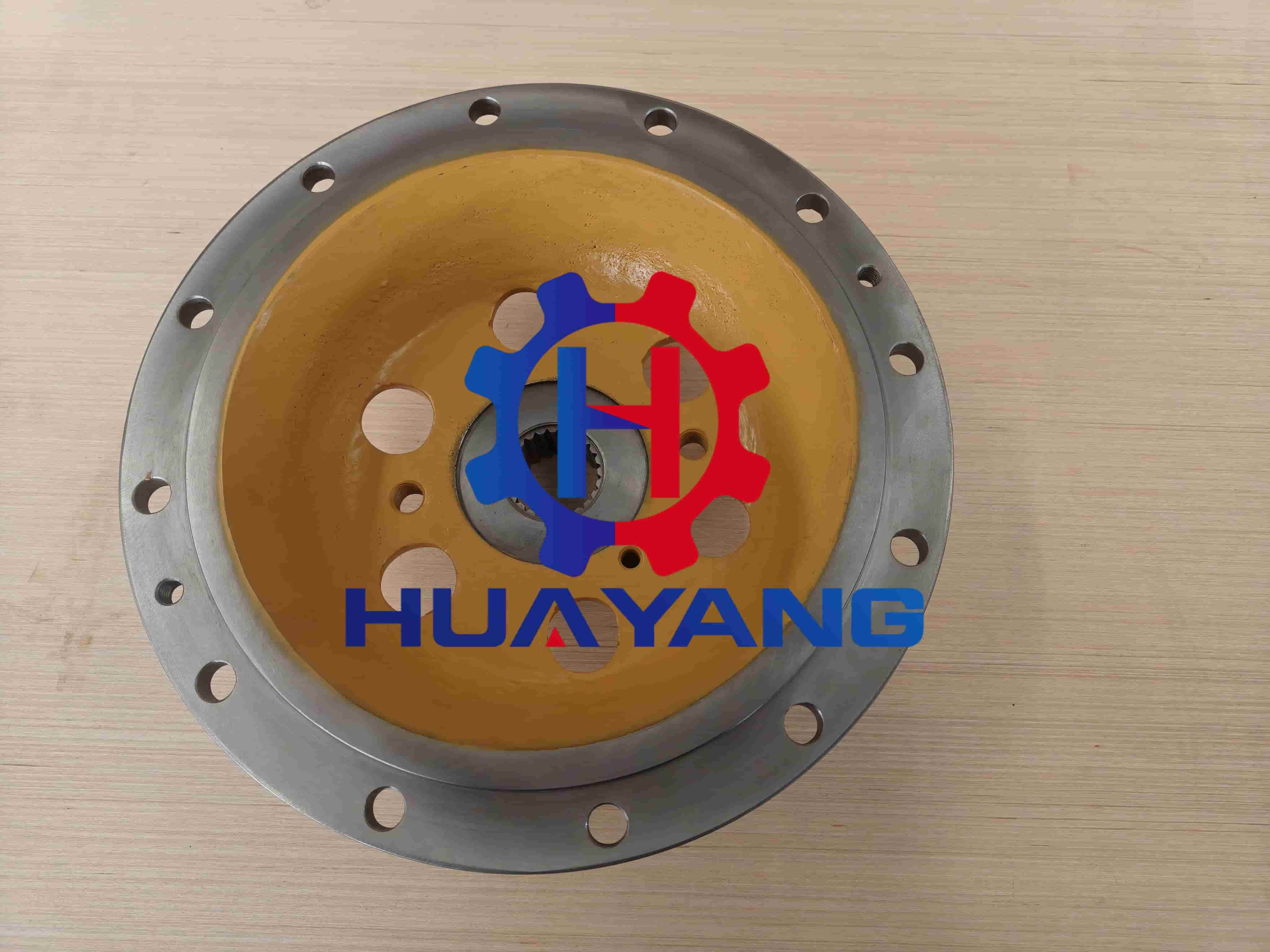
Product Parameters
Part Number: 3P6318
Material: High-strength Steel Alloy (or equivalent)
Dimensions: Specific to Caterpillar 3P6318 specifications (Exact dimensions vary by application point on machine)
Weight: Approx. [Insert Estimated Weight if Known, e.g., 1.5 kg]
Finish: Protective coating (e.g., Painted, Coated)
Type: Flange (Specific type depends on system: e.g., Exhaust, Hydraulic, etc.)
Key Advantages & Selling Points
Precision Engineered: Manufactured to exact OEM specifications for a perfect fit.
Durable Construction: Made from high-quality materials resistant to wear, corrosion, and extreme temperatures/pressures.
Reliable Performance: Ensures secure connections, preventing leaks and maintaining system integrity.
Cost-Effective Replacement: Offers a high-quality alternative to OEM parts at a competitive price.
Easy Installation: Designed for straightforward replacement, minimizing downtime.
Applicable Caterpillar Equipment
The 3P6318 Flange is compatible with the following Caterpillar machine models:
Caterpillar 6A
Caterpillar 6S
Caterpillar D6E
Caterpillar D6E SR (Special Regulation)
Caterpillar D6G SR (Special Regulation)
Caterpillar D6G2 LGP (Low Ground Pressure)
Caterpillar D6G2 XL (Extra Long)
Application Scenarios & Case Analysis
The machines compatible with the 3P6318 Flange, primarily D6 series dozers and related variants, are workhorses in various heavy-duty applications:
Construction Sites: Essential for site preparation, land leveling, road building, and backfilling. Flanges in hydraulic lines or exhaust systems must withstand constant vibration, shock, and exposure to dirt and debris.
Case Example: A D6E SR working on a new highway construction requires its hydraulic system to operate flawlessly for blade control and ripping. A failing hydraulic flange (potentially a location for 3P6318) could lead to fluid leaks, pressure loss, and complete operational failure, halting critical progress. Using a durable 3P6318 ensures system integrity under high pressure and continuous operation.
Mining Operations: Used for overburden removal, road maintenance within mines, and reclamation work. Equipment faces abrasive materials and extreme environmental conditions.
Case Example: A D6G2 LGP used in a mining area for ground leveling needs robust exhaust system components. The exhaust flange (potentially 3P6318) endures high temperatures and corrosive exhaust gasses. A failure here could cause dangerous exhaust leaks into the cabin or damage surrounding components. A quality 3P6318 provides the necessary heat resistance and secure seal for safety and operational continuity.
Land Clearing & Forestry: Used for clearing vegetation, building firebreaks, and managing forest access roads. Machines operate in rugged, often remote areas.
Case Example: A D6G2 XL in a forestry operation building a logging road uses hydraulic power for heavy pushing and pulling. A flange in a key hydraulic line (where 3P6318 might be found) is exposed to physical impact from branches and rough terrain. A strong, well-fitted 3P6318 prevents impact damage from causing leaks and loss of hydraulic function in a remote location where repairs are difficult.
In all these scenarios, the reliability of components like the 3P6318 Flange is paramount to minimize downtime, ensure worker safety, and maintain project schedules.
Related Products & Applicable Equipment
When replacing a flange, you may also need related components. Guangxi Huayang offers a range of parts compatible with your Caterpillar machinery:
Fasteners: High-strength Bolts, Nuts, and Washers suitable for heavy equipment (Compatible with D6E, D6G, etc.)
Gaskets & Seals: Specific gaskets designed to mate with the 3P6318 flange for a perfect seal (Compatible with D6 models).
Piping & Hosing: Replacement sections of exhaust pipes or hydraulic hoses that connect via flanges (Compatible with various Caterpillar systems).
Other Flange Types: Various other flanges used throughout compatible models like D6E, D6G2 LGP for different system connections (e.g., different sizes, bolt patterns).
Hydraulic Adapters & Fittings: Components used alongside flanges in hydraulic systems (Compatible with D6 series hydraulic circuits).
We offer a comprehensive selection of parts to support the maintenance and repair of your Caterpillar 6A, 6S, D6E, D6E SR, D6G SR, D6G2 LGP, and D6G2 XL machines.
Common Installation Issues & Solutions
Proper installation is crucial for the longevity and performance of the 3P6318 Flange. Here are some common issues and how to avoid them:
Issue: Leaks after installation.
Solution: Ensure mating surfaces are clean and free of debris. Use a new, correct gasket. Tighten bolts evenly and to the manufacturer's specified torque using a torque wrench. Uneven tightening or over-tightening can distort the flange or gasket.
Issue: Damaged threads on bolts or flange holes.
Solution: Clean threads thoroughly before installation. Never force bolts. If threads are damaged, repair them using a thread tap or die, or replace the damaged component (bolt or flange) if necessary. Use correct, high-quality fasteners.
Issue: Misalignment during installation.
Solution: Ensure the mating components are properly supported and aligned before attempting to insert bolts. Do not use bolts to force alignment; this can damage threads or crack the flange.
Issue: Using incorrect or low-quality fasteners.
Solution: Always use high-strength bolts, nuts, and washers recommended for heavy equipment applications. Low-quality fasteners may stretch, break, or corrode, leading to joint failure.
Always refer to your Caterpillar machine's service manual for specific torque values and detailed installation procedures.


