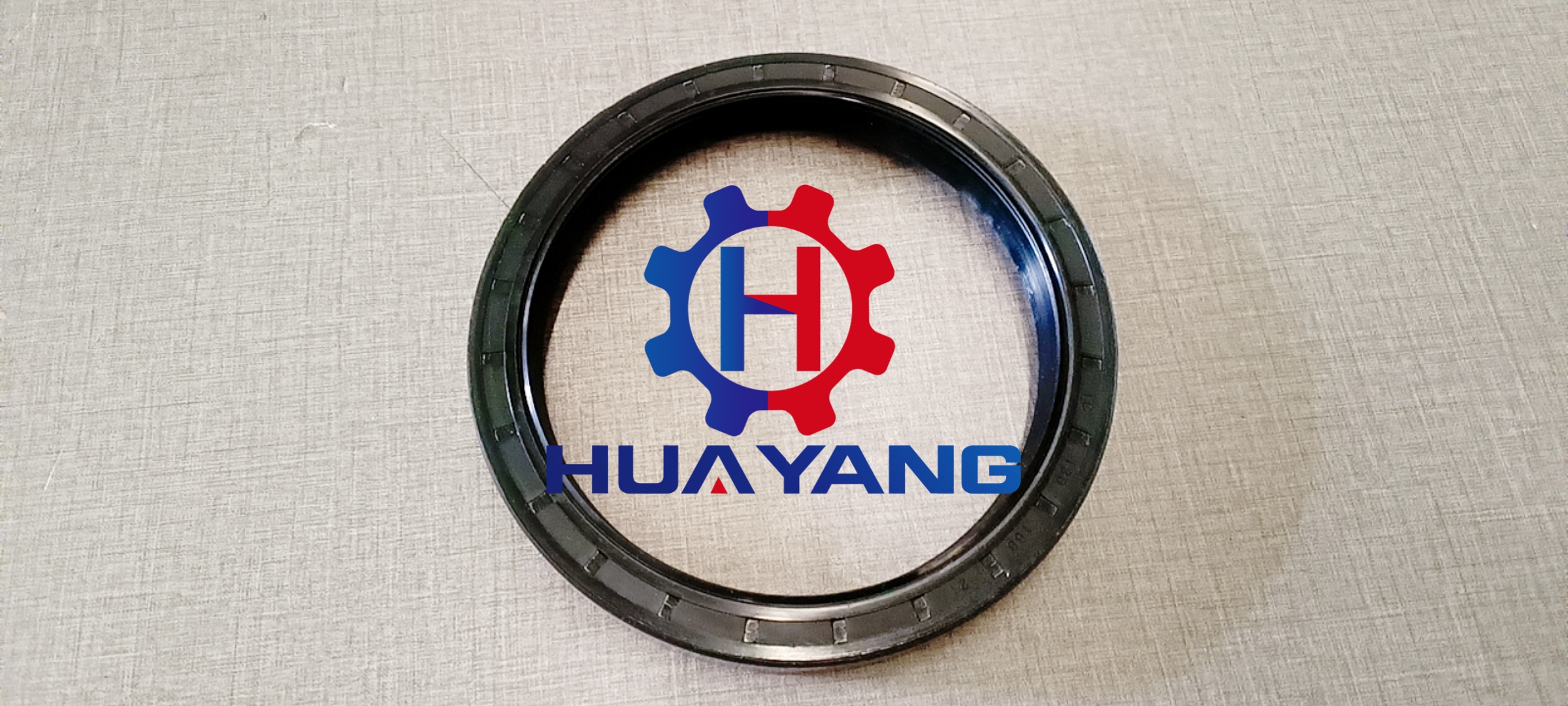
Product Overview: The Essential Dust Seal for Your KOMATSU
At Guangxi Huayang Engineering Machinery Equipment Co., Ltd., we understand the critical role that even small components play in the overall efficiency and lifespan of your heavy machinery. That's why we are proud to offer the high-quality Dust Seal 07019-00130, also known as 701900130, specifically designed for a range of KOMATSU equipment. This durable dust seal is engineered to provide superior protection against dust, dirt, and other contaminants, preventing damage to vital components and ensuring smooth operation.
As a leading supplier of KOMATSU and Caterpillar parts, including undercarriage parts (track rollers, carrier rollers, sprockets, idlers, track links), hydraulic system components (hydraulic pumps, hydraulic motors, control valves, hydraulic cylinders like bucket cylinders and boom cylinders), transmission and power parts (gearboxes, gears, engine assemblies including Cummins engine parts), and wear parts (bucket teeth, track chains, pins and bushings, high-strength bolts), Guangxi Huayang is your trusted partner for all your heavy equipment needs.
Product Usage and Applications
The Dust Seal 07019-00130 is primarily used to prevent the ingress of dust, moisture, and other foreign particles into critical areas of your KOMATSU machinery. This helps to protect bearings, seals, and other sensitive components, extending their service life and reducing the risk of costly downtime.
Applicable KOMATSU Machine Models
While the exact models can vary, this dust seal is commonly found in various KOMATSU machines, including:
KOMATSU Excavators: Such as PC200, PC300, PC450 series. These excavators are widely used in construction sites for digging foundations, trenching, and material handling. For instance, a KOMATSU PC300 excavator might use this dust seal in its undercarriage or hydraulic cylinders to protect critical moving parts during heavy-duty excavation work.
KOMATSU Bulldozers: Including D65, D85 series. Bulldozers are essential for land clearing, grading, and moving large quantities of soil in construction, mining, and road building projects. A KOMATSU D85 bulldozer operating in a dusty mining environment would heavily rely on effective dust seals like 07019-00130 to maintain operational efficiency.
KOMATSU Wheel Loaders: Such as WA380, WA470 series. Wheel loaders are used for loading materials like sand, gravel, and aggregates in construction, quarrying, and material processing plants. A KOMATSU WA470 wheel loader working in a concrete batching plant would benefit from this dust seal in its axles and hydraulic systems to prevent abrasive dust from causing premature wear.
Frequently Asked Questions (FAQs)
Q: How often should dust seals be inspected and replaced?
A: Regular inspection is crucial. We recommend checking dust seals during routine maintenance intervals, typically every 250-500 operating hours, or as specified in your KOMATSU equipment's manual. Replace them immediately if you notice any signs of damage, cracking, or leakage.
Q: What are the common signs of a failing dust seal?
A: Common signs include visible damage to the seal, accumulation of dust or grease around the seal area, and potential operational issues in the component the seal is protecting (e.g., stiffness or unusual noise in a bearing).
Q: Can I continue operating my machine with a damaged dust seal?
A: Operating with a damaged dust seal can lead to further damage to more expensive components. It's best to address the issue promptly by replacing the seal to prevent costly repairs and downtime.
Troubleshooting and Maintenance Tips
Troubleshooting: Premature Dust Seal Failure
If your dust seals are failing frequently, consider the following: Ensure proper installation techniques are used. Check for excessive wear or damage on the mating surfaces. Verify that the correct type and size of dust seal is being used for the application. Also, assess the operating environment for unusually high levels of dust or abrasive materials.
Maintenance Tip: Regular Cleaning
Regularly cleaning the areas around dust seals can help prolong their life. Removing accumulated dirt and debris prevents it from working its way into the seal and causing damage.


