High-Quality Temperature Sensor for Komatsu HD465/HD785
Ensure optimal performance and prevent costly downtime with our premium temperature sensor designed specifically for Komatsu HD465 and HD785 heavy-duty equipment. Reliable temperature monitoring is critical for maintaining the health and efficiency of vital systems like the engine, hydraulics, and transmission.
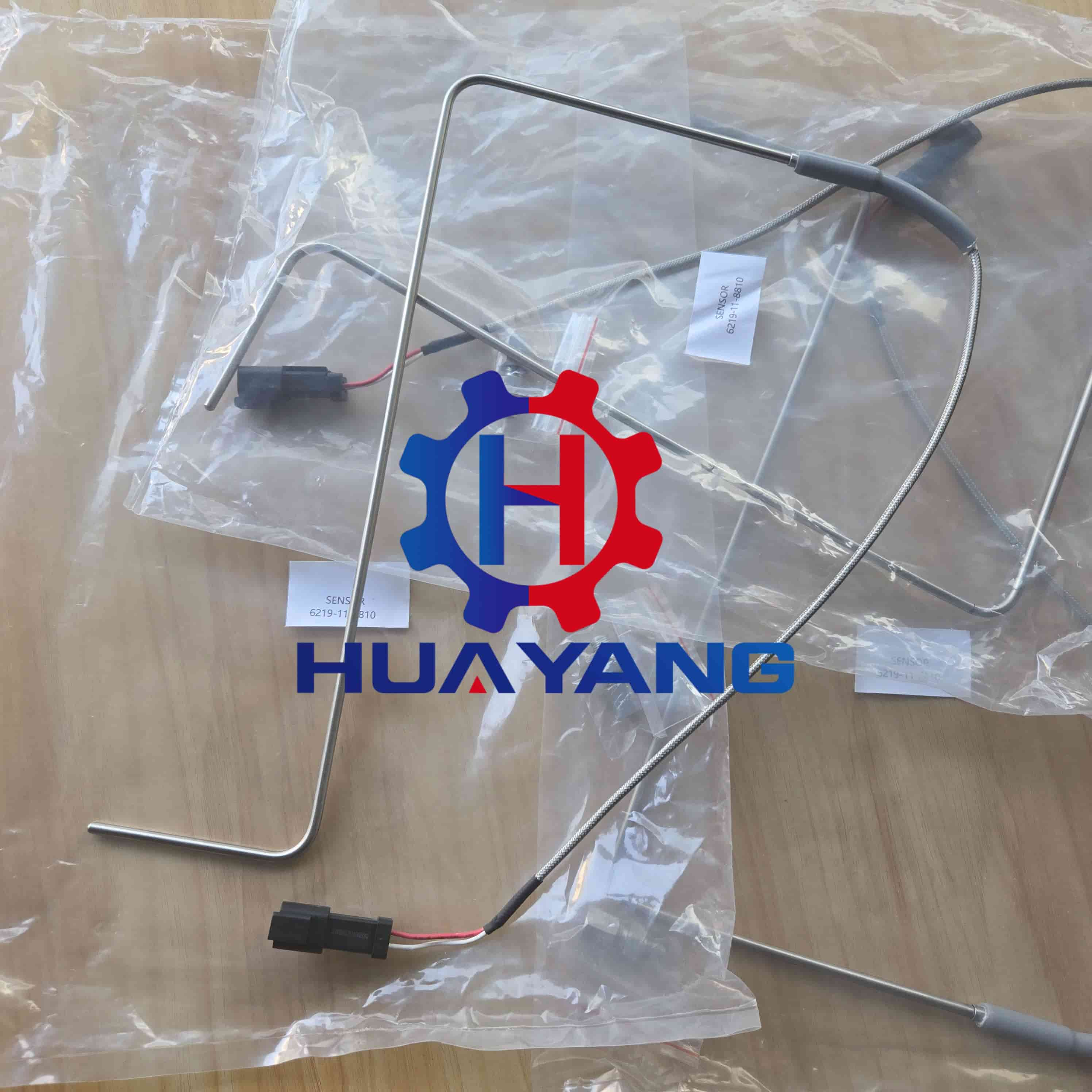
Product Overview
Our temperature sensor is a high-quality replacement part engineered to meet or exceed OEM specifications. It provides accurate and rapid temperature readings, crucial for the sophisticated monitoring systems in Komatsu machinery. Built to withstand the harsh operating conditions of construction and mining environments, this sensor offers exceptional durability and reliability.
Key Features & Benefits
High Accuracy: Provides precise temperature data for effective system management.
Fast Response: Quickly detects temperature changes to alert operators and systems promptly.
Durable Construction: Made with robust materials to resist vibration, moisture, and extreme temperatures.
Reliable Performance: Ensures consistent operation in demanding environments.
Direct Fit Replacement: Engineered for seamless installation in compatible Komatsu models.
Product Specifications
Part Numbers:
6219-11-8811
6219-11-8821
6219-11-8810
6219-11-8820
Type: High-Quality Replacement Temperature Sensor
Construction: Designed for heavy-duty applications
Compatibility: Engineered for Komatsu HD465/HD785
Applicable Equipment
Komatsu HD465 Series
Komatsu HD785 Series
This sensor is a crucial component for monitoring key temperatures in these popular Komatsu off-highway dump trucks.
Application Scenarios & Illustrations
Komatsu HD465 and HD785 trucks are workhorses in challenging environments:
Mining Operations: Transporting massive loads of ore and overburden over rough terrain. Reliable temperature monitoring prevents engine or hydraulic failure in high-stress, continuous operation.
Large-Scale Construction Projects: Hauling materials on dam construction, road building, and infrastructure sites. Accurate sensor data helps maintain optimal fluid temperatures for efficient power transmission and lifting cycles, even under heavy loads and varying climates.
Quarries: Moving rock and aggregate. High temperatures generated during frequent loading, hauling, and dumping cycles necessitate precise temperature control to prevent component damage and extend machinery lifespan.
In these scenarios, a failing temperature sensor can lead to inaccurate readings, causing systems to operate outside optimal ranges, potentially resulting in overheating, reduced efficiency, premature wear, or catastrophic component failure. A high-quality sensor ensures the machine's control system receives correct data, allowing for timely intervention and preventing costly breakdowns.
Related & Similar Products
In addition to this temperature sensor, we offer a wide range of high-quality replacement parts for heavy machinery. Related products often needed alongside or for similar applications include:
Pressure Sensors (for hydraulic, engine oil, brake systems) - Applicable to: Komatsu PC Excavators, WA Wheel Loaders, HD Trucks.
Level Sensors (for fuel, coolant, hydraulic oil) - Applicable to: Various Komatsu models, Caterpillar, Volvo equipment.
Speed Sensors (for transmission, wheels) - Applicable to: Komatsu HD Trucks, Graders, Scrapers.
Filters (oil, fuel, air, hydraulic) - Applicable to: Most heavy equipment brands and models.
Hoses & Fittings (hydraulic, coolant lines) - Applicable to: Wide range of construction and mining machinery.
Browse our catalog for reliable replacement parts for your heavy equipment needs.
Installation Tips & Troubleshooting
Proper installation is key to sensor longevity and accurate function. Here are common issues and solutions:
Issue: Incorrect part number or sensor type for the specific application point.
Solution: Always verify the required part number against the equipment service manual or the old part being replaced before ordering and installing.
Issue: Overtightening or undertightening during installation.
Solution: Use a torque wrench and follow the manufacturer's recommended torque specifications for the sensor thread size and material. Overtightening can damage the sensor or port; undertightening can cause leaks or poor contact.
Issue: Leaks after installation (if in a fluid system).
Solution: Ensure the sealing surface is clean and free of debris. Use the correct type of thread sealant or O-ring as specified by the manufacturer. Ensure threads are not cross-threaded.
Issue: Sensor provides incorrect or erratic readings.
Solution: Check the electrical connector for cleanliness, damage, and proper seating. Inspect wiring harness for damage. Ensure the system (e.g., coolant or hydraulic) is properly filled and bled of air if the sensor is submerged.
Issue: Difficulty threading the sensor.
Solution: Ensure you are using the correct sensor with the matching thread size and pitch for the port. Never force the sensor; check for damaged threads on both the sensor and the port.
For best results, installation should be performed by qualified personnel following safety procedures and the equipment's service manual.


